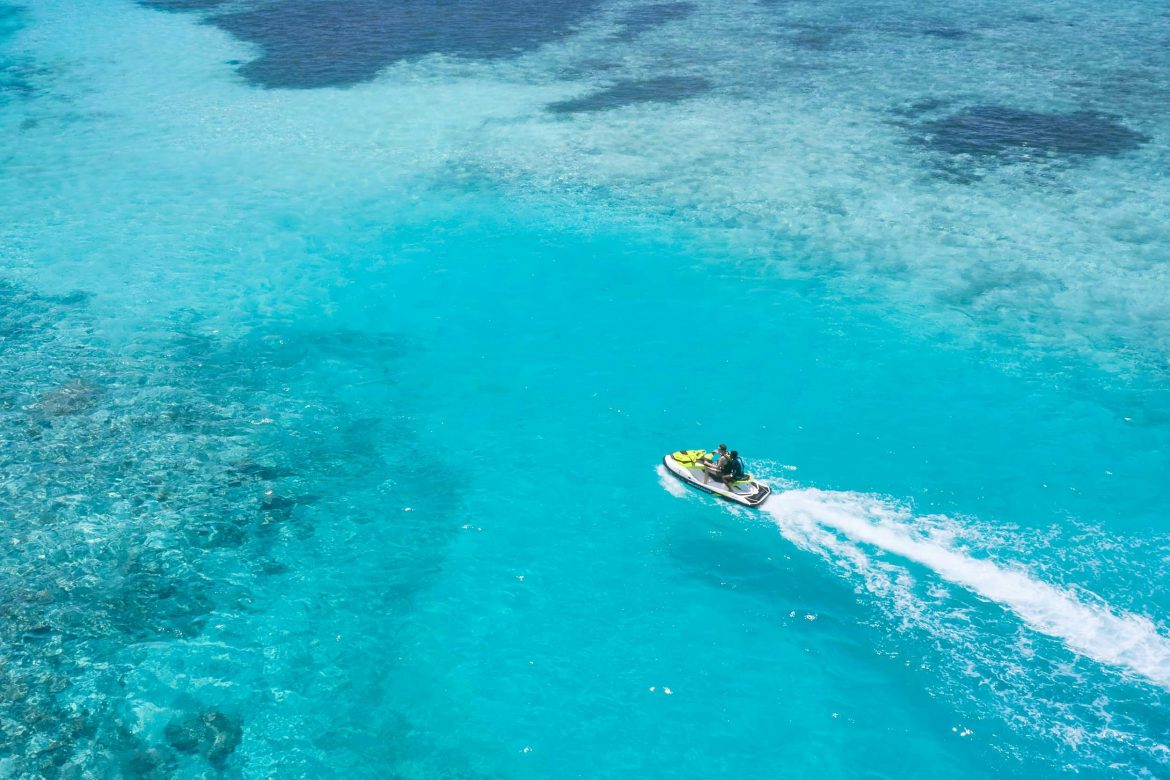
At Four Seasons in the Maldives, the new wave in luxury resort watersports is in full swing, to the joy of long-time repeating guests. E-foils skim silently above the lagoon, electric surfboards lift riders into flight, and instructors guide first-timers through futuristic sports that feel as curated as the resort’s Michelin-level dining.
Nearby, at Velaa Private Island, the sea is not a backdrop — it is the main stage. Jetovators, flyboards, Seabobs, electric foilboards, and custom-built marine toys form one of the most advanced watersports collections in the Indian Ocean. Here, innovation is not an add-on; it is a pillar of the brand.
These resorts understand something fundamental: today’s luxury guest expects the water to be as experiential as the villa, the spa, or the cuisine. Unfortunately, many luxury resorts do not understand this shift.
Across tropical destinations — from the Maldives to the Caribbean — watersports have long existed in luxury resorts as a supporting amenity. Kayaks lined neatly on the sand. A windsurf sail or two. Perhaps a jet ski offered quietly “upon request.”
For decades, this was enough.
But luxury travel has changed.
Today’s guest is experience-driven, digitally fluent, and vocal. They arrive having seen electric foilboards on Instagram and underwater SeaBobs on TikTok. And when they arrive at a five-star resort only to find outdated gear, limited availability, or broken equipment, they notice — and they comment. I have seen these comments first-hand working at what is widely considered the headline luxury resort in the Maldives. Resort staff know what I’m talking about. There is nothing worse than an angry guest.
Guest reviews increasingly reveal a disconnect. I trawled through TripAdvisor to find some illustrative comments:
“Exorbitantly expensive for what you actually get.”
“If watersports are important to you, think very carefully before booking.”
“The boat driver didn’t understand basic signals.”
These are not budget travelers speaking. These are guests paying premium rates — and expecting premium engagement. Unfortunately, in the mania of spa and wellness upgrades, villa development, and F&B catch-up, many luxury resorts have lost focus on what is the central emotional attachment for many guests across luxury resorts.
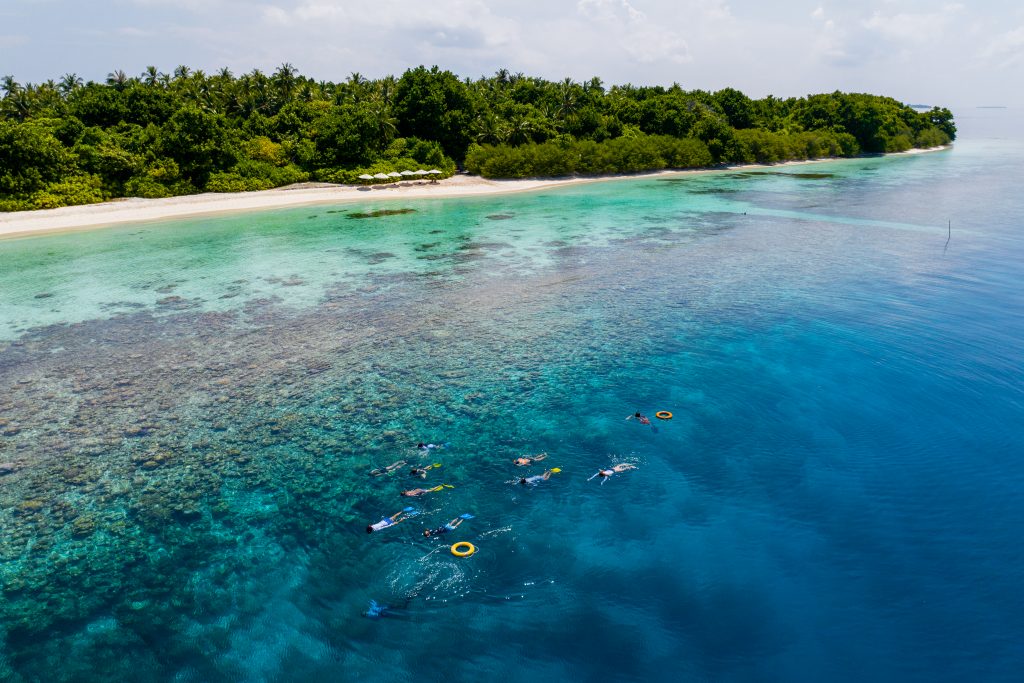
Luxury resorts that continue to treat watersports as an afterthought are quietly eroding guest satisfaction. The reviews I surveyed consistently pointed to the same two frustrations:
- Aging equipment — scratched boards, old kayaks, poor boats for towsports.
- High prices without perceived value — premium fees for a second-rate experience.
At Kudadoo Maldives Private Island, guests don’t queue — their personal butler schedules watersports seamlessly as part of an “Anything, Anytime” philosophy. At Sandals Resorts in the Caribbean, unlimited watersports are bundled into the stay, removing friction and earning consistently high guest praise. Putting watersports at the forefront of the guest experience can drive repeat engagement and turn the activities into an anchor that bring guests back year-after-year.
Watersports are undergoing a quiet revolution — and luxury resorts are uniquely positioned to lead it.
What Products Do Resorts Need Today?
1. E-Foils
Once exclusive to yachting, eFoils now allow guests to “fly” above the water with minimal learning curve. Silent, emission-free, and visually striking, they combine adrenaline with elegance. High initial capex is offset with strong, recurring revenue and an unwavering guest appetite.
2. Electric Boats
From solar catamarans in French Polynesia to electric tenders in the Maldives, resorts adopting clean propulsion report increased guest appreciation — and stronger sustainability credentials. Electric ski boats are now on the scene with the introduction of the Ski Nautique GS22E. It may be a year or two before battery life becomes sustainable for regular operation and to cater for all activities such as wakesurfing which currently drain batteries quickly.
3. SeaBobs
The Seabob has moved from novelty to expectation at high-end resorts. They are intuitive, thrilling, and highly shareable — a key currency in modern luxury marketing. With low maintenance costs and strong battery life these are strong revenue drivers. They are also remarkably durable.
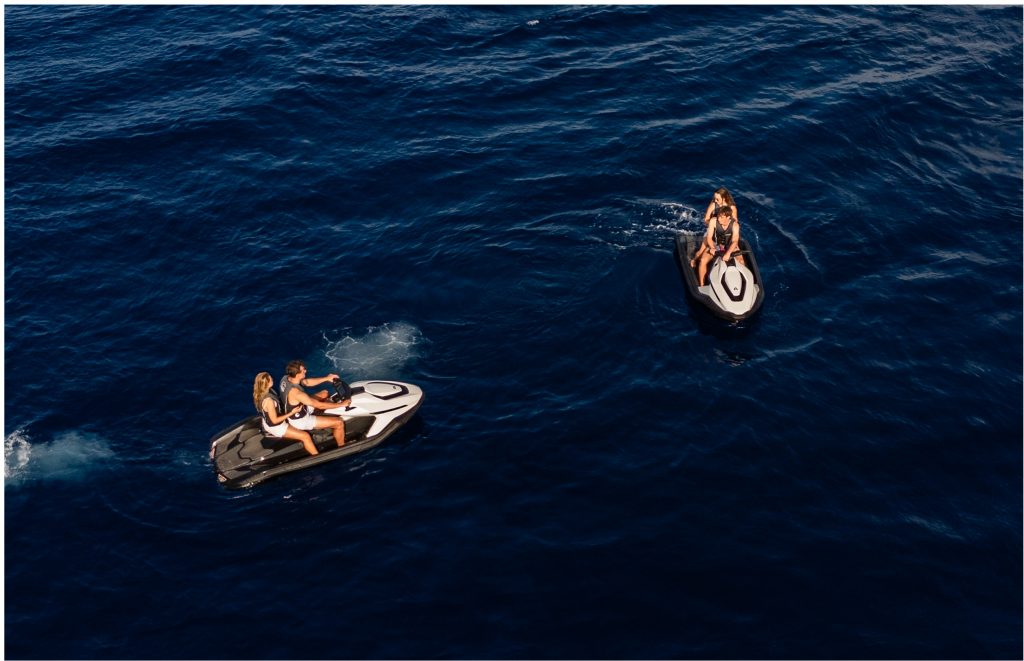
Luxury watersports are no longer optional.
They are a differentiator in a crowded market, a driver of guest satisfaction and repeat visits, and a powerful social-media tool.
Resorts like Four Seasons and The Red Sea have already set the benchmark. Others must now decide whether to evolve — or risk being perceived as beautiful, but boring.
As one guest succinctly wrote after a disappointing stay: “The island was stunning. I just wish there was more to do on the water.” In modern luxury travel, that is a review no resort can afford.